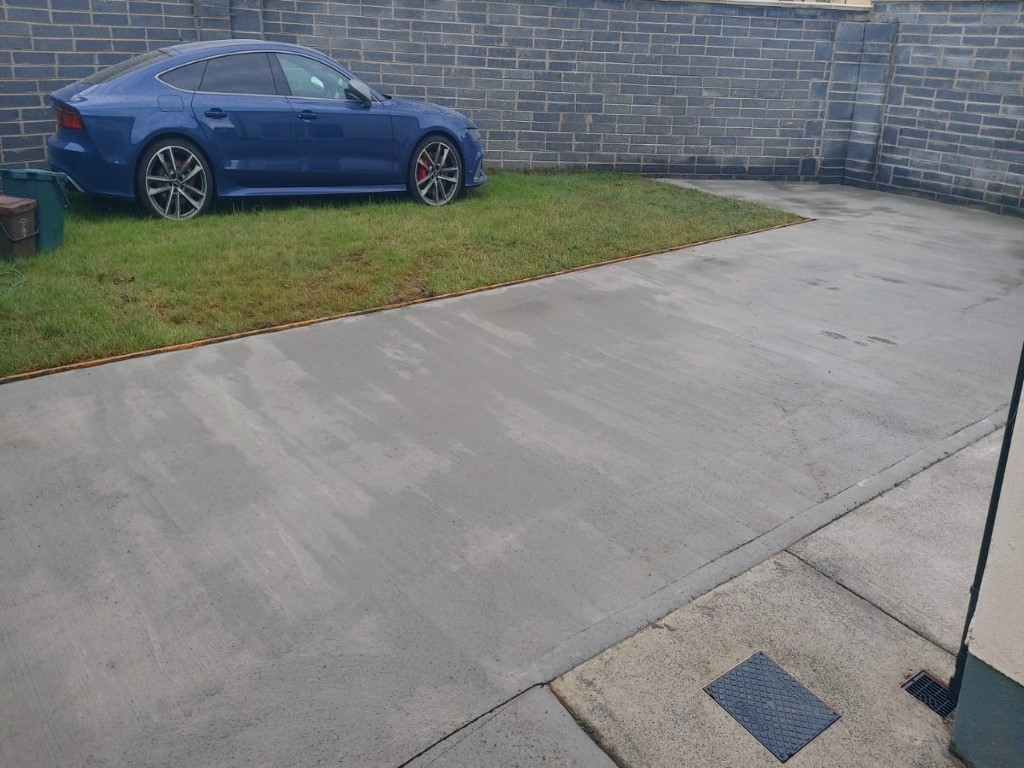


Expansion joints are essential features in concrete driveways that prevent cracking from thermal movement and ground settlement. These deliberate gaps allow concrete sections to expand and contract safely without damaging the surface.
Bury’s variable climate creates significant temperature fluctuations throughout the year. Concrete expands in warm weather and contracts during cold spells, creating internal stresses that can cause cracking without proper movement control.

Types of Expansion Joints for Driveways
Control joints are shallow grooves cut into fresh concrete, typically one quarter of the slab depth. These create predetermined weak points where any cracking will occur in straight lines rather than randomly across the surface.
Isolation joints separate the driveway from fixed structures like house walls, garage doors, or existing paths. These full depth gaps prevent the driveway from bonding to immovable objects that could restrict movement. Professional concrete installation services ensure proper joint placement and spacing.
- Contraction joints every 3 to 4 metres in large driveways
- Isolation joints around all fixed structures
- Construction joints where concrete pours meet
- Flexible sealant fills to prevent water ingress
Joint Spacing and Placement
Proper joint spacing depends on concrete thickness and expected temperature ranges. In Bury’s climate, joints should create panels no larger than 4 metres in any direction for standard residential driveways.
Joints must align with the driveway layout and avoid awkward angles. Strategic placement can enhance the appearance by creating symmetrical patterns that complement the property’s design.
Sealing and Maintenance
Joint sealants prevent water penetration that could freeze and expand, damaging surrounding concrete. Flexible polyurethane sealants work well in Bury’s wet conditions and temperature variations.
Regular inspection ensures sealant remains intact and effective. Damaged or missing sealant should be replaced promptly to maintain the joint’s protective function and prevent costly repairs. Additionally, winter safety considerations become important when joints collect ice and create hazardous surface conditions.